


Revise narrative tense by distinguishing the scene’s present action from memories, dialogue, and hypothetical events. Work through the scene in context rather than replacing verb endings globally. Then read its transitions into neighboring scenes and verify that the timeline and point of view still match the manuscript’s intended design.
Define the scene’s narrative frame
Before editing verbs, identify who is telling the scene, when the main action occurs relative to that narration, and why the tense is changing. A scene may have drifted accidentally from the novel’s established convention, or the author may be making a deliberate structural choice. Write down the intended frame so each sentence can be judged against the same decision.
Preserve the original scene and mark the boundaries of the revision. Include the preceding and following passages in the review context, but avoid rewriting unrelated chapters automatically. A local tense correction can expose a broader inconsistency, yet that possibility should be investigated rather than assumed. The immediate task is to establish a coherent temporal frame for the scene being changed.
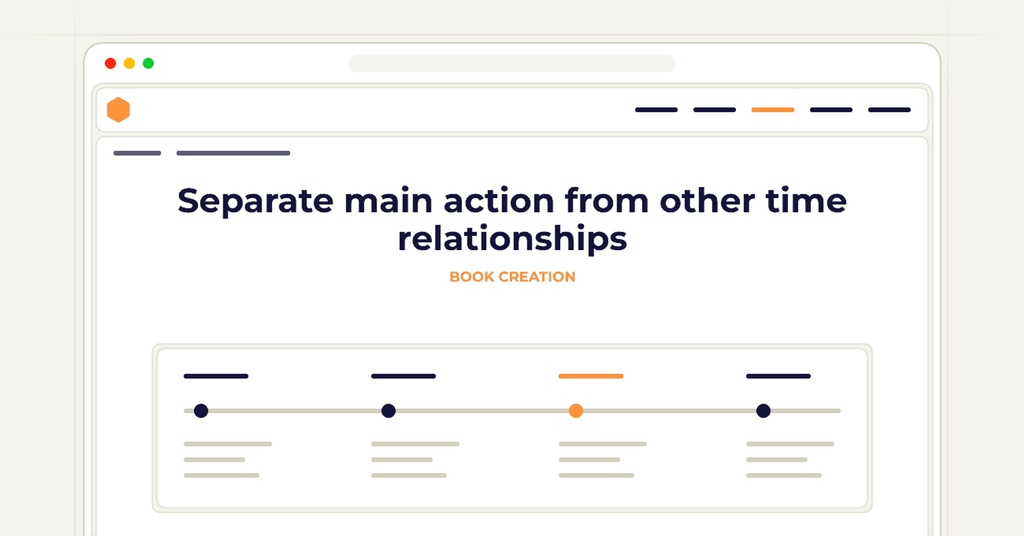
Separate main action from other time relationships
Identify sentences describing the scene’s immediate action, events that happened earlier, expectations about what may happen later, and imagined alternatives. Dialogue can refer to any of these times independently of the surrounding narration. Treat those relationships as meaning to preserve. Changing every verb to the same form would erase distinctions the reader needs to understand the sequence.
For example, a narrator entering a room may recall that another character had left a letter there the previous evening. A tense revision must still make clear that leaving the letter preceded the entrance. The exact wording can change, but the order of events cannot change accidentally. Note the important temporal anchors before editing so a smoother sentence does not quietly rearrange the story.
Revise clauses in context rather than by suffix
Work through complete sentences and their neighboring clauses. Verb forms, time expressions, and the narrator’s perspective interact. An automated search can help locate candidate phrases, but a replacement rule cannot reliably determine whether a verb belongs to narration, quoted speech, a conditional statement, or an earlier event. Review the role of each occurrence before changing it.
Pay particular attention to words such as “now,” “then,” “tomorrow,” and “the next day.” Their relationship to the narrative frame may need adjustment, but not every instance should change. A character speaking about tomorrow still speaks from their own moment in the story. Keep dialogue natural to that moment while making the surrounding narration consistent with the chosen approach.
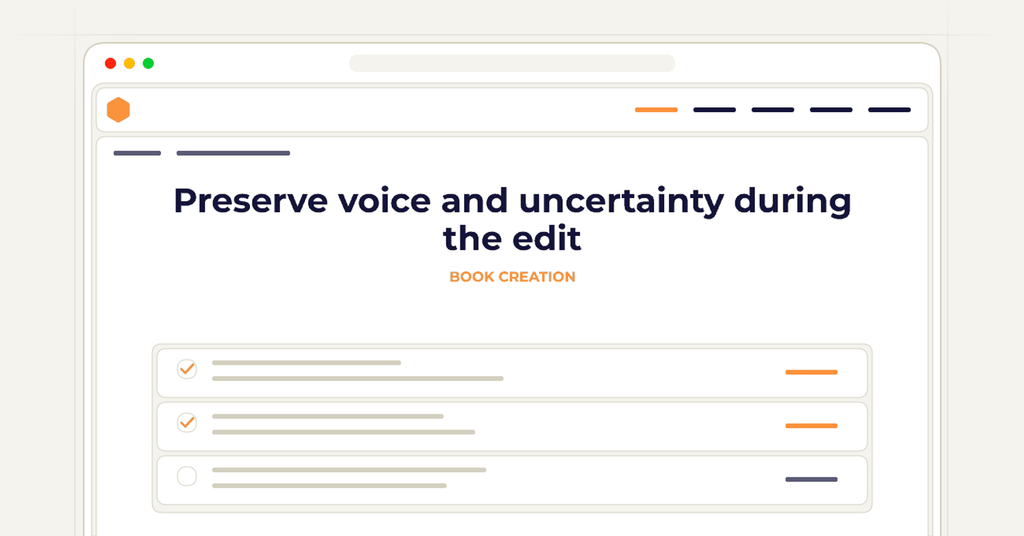
Preserve voice and uncertainty during the edit
A tense revision can alter more than chronology if it encourages broad paraphrasing. Keep the narrator’s knowledge, emotional distance, and degree of certainty under review. A sentence that originally described a character’s suspicion should not become an authoritative statement merely because a new phrasing sounds more fluent. Compare the revised scene with the original decisions about what the reader is allowed to know.
If AI assists with the revision, provide the intended frame and ask for changes to be limited to the relevant passage. Review every alteration yourself, especially newly supplied transitions or explanations. Keep generated additions distinguishable in the project record when they enter the manuscript. During publication preparation, consult current KDP content guidance for the actual workflow instead of assuming that the label “tense edit” describes every change the tool made.
Read the scene as part of the story again
First read the revised scene without focusing on grammar. Follow who acts, what they know, and when each event occurs. Then compare its opening and ending with the adjacent scenes. Look for abrupt shifts that now feel accidental, missing transitions into recollection, or changed expectations about the narrator’s position in time. These checks test the reader’s experience rather than merely counting verb forms.
Finally, inspect the affected manuscript and export for any formatting conventions used to distinguish memories, letters, or other embedded material. Preserve the corrected editable source and record the intended tense decision for later editing rounds. A successful revision leaves the timeline understandable and the voice intact, while removing the inconsistency that prompted the change. It does not force every sentence to describe the same moment in the same way.
Frequently asked questions
Clear answers for this publishing decision.
Should dialogue change when I change narrative tense?
Review dialogue according to the character’s own speaking moment and intended meaning. It does not automatically follow the tense of the surrounding narration. Change it only when the story or wording actually requires a correction.
Can a scene deliberately use a different tense?
Yes, as an editorial choice, but make the purpose and transitions clear within the novel’s design. Review whether readers can understand the shift. Do not treat every difference as an error or every unexplained inconsistency as intentional.
How can I check that I preserved the timeline?
List the important events in their intended order, then read the revised scene against that sequence. Include recalled and anticipated events where they matter. Ask a reviewer to explain the sequence if the passage remains ambiguous.
How do I get from an idea and a brief to an editable manuscript I can finish?
Write the brief first, generate a structure you can edit, then draft and revise the manuscript in reviewable sections so one change never overwrites work you already approved.
Start a book project from a brief